Finding the Right Marietta top Pool Maintenance for Reliable Pool Care
Finding the Right Marietta top Pool Maintenance for Reliable Pool Care
Blog Article
Complete Pool Servicing: Keep Your Pool Gleaming Throughout the Year
Thorough pool care is essential for every pool owner. It guarantees a pristine and secure swimming environment throughout the year. Regular upkeep not only improves water clearness but also prevents costly repairs. Understanding the crucial tasks involved can make a significant difference. With the right tools and knowledge, anyone can handle their pool effectively. However, many overlook key aspects that could enhance their pool experience. What are these important practices that can transform a typical pool into a spotless oasis?
What All Pool Owners Ought to Know About Care
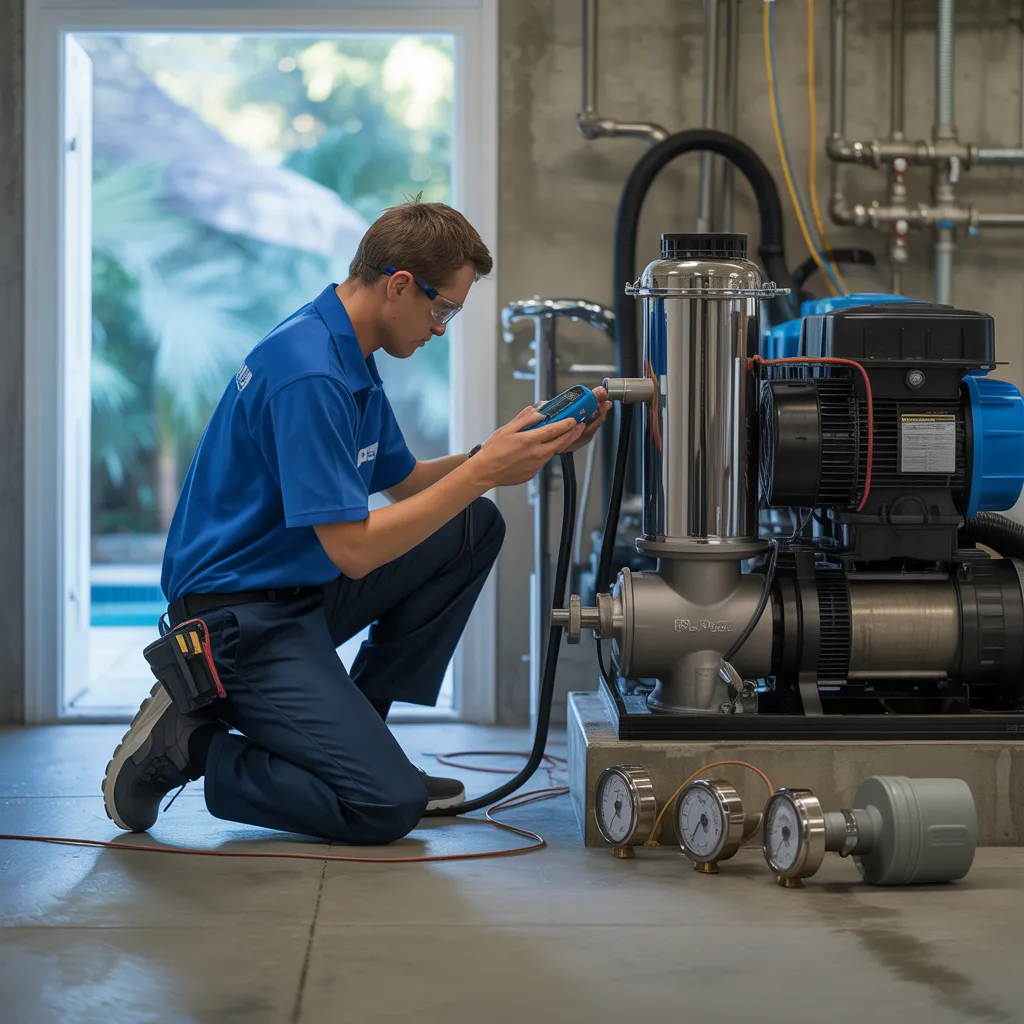
Maintaining a pool involves diligence and understanding of essential practices. Every pool owner should recognize the significance of consistent upkeep to ensure water clarity and safety. Routine tasks include checking chemical levels, which should be regulated to stop algae formation and maintain swimmer comfort. Filtration systems need regular inspection, as they play a vital role in keeping water clean.
Pool proprietors should examine pool surfaces and equipment for signs of wear or damage, addressing problems quickly to avoid expensive repairs. Consistent skimming and vacuuming assist in eliminating debris that impacts water condition.
Understanding seasonal variations is necessary; readying a pool in colder climates can protect it from damage. Understanding of local rules regarding pool upkeep can also lead owners in following safety standards. To summarize, a proactive technique to pool care not only strengthens the swimming experience but also prolongs the life of the pool itself.
Vital Tools for Optimal Pool Maintenance
A knowledgeable pool owner knows that selecting quality tools is indispensable for effective pool maintenance. Vital implements include a net skimmer, which efficiently eliminates floating debris on the surface, and a vacuum to clean the pool base. A robust pool brush is important for scrubbing the surfaces and steps, preventing algae accumulation. Furthermore, a water testing kit is vital for assessing chemical levels, ensuring a safe swimming environment.
To preserve adequate flow, a good-quality pool pump is necessary, while a filter system preserves the water transparent. Pool maintenance also benefits from equipment like a telescopic pole, allowing users to reach hard-to-reach spots. Finally, getting a cover shields the pool from debris and minimizes upkeep duration. These important tools allow pool owners to care for their pools successfully, keeping them pristine and inviting throughout the year.
How Routine Care Ensures Your Pool Sparkling
Achieving a sparkling pool relies on consistent cleaning, eliminating debris buildup and sustaining water transparency. The proper equipment and a steady cleaning routine serve as vital components of this process. Understanding why regular upkeep helps can improve your pool's visual appeal and lifespan.
Essential Housekeeping Equipment Required
While relishing a spotless pool is a joy for any homeowner, the appropriate cleaning equipment are vital for keeping it in brilliant condition. A sturdy skimmer net is indispensable for pulling out leaves and debris from the pool's surface. Additionally, a pool brush aids in upkeep of tile and wall cleanliness, inhibiting algae growth. A vacuum, whether manual or automatic, can efficiently clean the pool floor, ensuring no dirt remains. Test kits are also important for observing water chemistry, permitting for timely adjustments. Finally, a pool cover can defend the pool from contaminants when not in use, reducing overall cleaning time. Together, these tools form the foundation for successful pool maintenance, helping to a consistently welcoming swimming environment.
Pool Cleaning Frequency
How often should a pool be maintained to maintain its sparkle? Consistent cleaning is essential to ensure a pristine swimming environment. Generally, pools should be skimmed and vacuumed each week to remove debris, foliage, and dirt. Additionally, brushing the walls and floor at least once a week helps avoid algae buildup. Water chemistry should be tested two to three times a week to guarantee proper balance, while filters need cleaning or replacement according to manufacturer recommendations, typically every 1-3 months. Seasonal thorough cleaning is also recommended, including thorough scrubbing and inspection of equipment. By adhering to this maintenance routine, pool owners can keep a sparkling pool, decreasing the likelihood of more significant issues arising later.
Advantages Of Frequent Maintenance
Steady cleaning habits not only improve the look of a pool but also contribute to its overall health and longevity. Consistent cleaning prevents the gathering of matter, algae, and harmful bacteria, ensuring a safe swimming setting. By swiftly managing these concerns, pool owners avoid expensive repairs and increase the lifespan of their pool systems. Also, frequent cleaning assists in maintaining water chemistry balance, key to preventing corrosion and scaling. A well-maintained pool also provides a more enjoyable swimming experience, as clear water and a clean surface are inviting. Finally, ongoing maintenance routine is key to preserving a pool’s performance and aesthetic appeal all year.
Balancing Pool Chemical Levels: A Easy Guide
Managing proper pool additives balance is critical for preserving water clarity and protection. Key constituents include chlorine, alkalinity, and pH levels, all of which call for regular monitoring. Testing the water regularly and making vital fine-tuning secures a beneficial swimming environment.
Vital Chemical Constituents
Preserving a clean and safe swimming pool depends greatly on knowing necessary chemical components. The primary chemicals utilized contain chlorine, pH balancers, alkalinity increasers, and calcium hardness. Chlorine serves as a antimicrobial agent, eliminating harmful bacteria and algae. Preserving the correct pH level, ideally between 7.2 and 7.6, guarantees effective chlorine performance and circumvents skin inflammation. Alkalinity buffers help buffer pH fluctuations, while calcium hardness inhibits corrosion and scaling. Each of these components has a crucial role in overall water quality and swimmer safety. Regular attention to these chemicals not only refines the pool's purity but also prolongs the operational life of the pool and its components, making it fundamental for any pool owner to apprehend their consequence.
Water Checking on a Frequent Schedule
Routine water testing is crucial for ensuring ideal swimming conditions and chemical balance in a pool. This practice helps identify inconsistencies that can lead to algae growth, cloudy water, or skin irritation. Testing should be conducted at least once a week, with additional checks during peak usage or extreme weather conditions. Key factors to track include chlorine levels, alkalinity, and hardness. Using test strips or liquid kits, pool owners can obtain accurate readings and make informed decisions about necessary adjustments. Consistent testing not only enhances the pool's visual appearance but also contributes to the longevity of pool equipment. By emphasizing regular water testing, pool owners can sustain a safe and inviting environment for swimmers throughout the year.
Regulating pH Measurements
While a properly kept pool provides an inviting escape, improper pH levels can undermine its general standard and swimming comfort. pH levels play a crucial role in the effectiveness of sanitizers and the overall condition of the pool setting. Optimally, the pH should range between 7.2 and 7.8. When levels drop below this range, water becomes acidic, potentially causing surface irritation and corrosion of pool machinery. Conversely, elevated pH levels can result in turbid water and decreased sanitizer effectiveness. Regular testing with pH strips or digital testers is important. If modifications are needed, adding pH booster (sodium carbonate) or pH decreaser (sodium bisulfate) can return balance. Maintaining proper pH ensures a secure and enjoyable swimming experience.
Fixing Your Pool Problems: Quick Solutions
Diagnosing pool issues can feel tricky, but quick solutions frequently are found for typical problems. For cloudy water, checking and balancing pH and chlorine levels can usually restore cleanliness. If the filter is broken, looking for obstructions or changing the filter material may address the matter promptly. When facing algae growth, treating the pool with chlorine can quickly eradicate it, followed by brushing the walls and floor.
In cases of water losses, locating the origin is crucial; using dye tests can help find small leaks around skimmers or fittings. For equipment that won't start, examining power sources and resetting timers often does the trick. Finally, if the pool's surface shows stains, using an appropriate cleaning solution or brush can help improve its look. By tackling these problems quickly, pool owners can keep a pristine and pleasant swimming experience throughout the year. shows marks, applying a suitable cleaning agent or scrub can help When leaks happen, identifying the source is important; using color tracing tests can help locate small leaks around skimmers or fittings. For equipment that won't start, examining power sources and resetting timers often does the trick. Finally, if the pool water surface shows spots, applying a suitable cleaning agent or scrub can help restore its appearance. By addressing these issues swiftly, pool owners can sustain a hygienic and pleasant pool setting throughout the year.
Tips for Enhancing Your Pool's Aesthetic Appeal
How can swimming pool proprietors transform their outdoor space into a aesthetically pleasing oasis? One efficient strategy is to incorporate surrounding landscaping. Lush greenery and colorful flower beds can create a vibrant contrast against the pool's blue water. Additionally, using decorative planters with tropical plants adds depth and interest.
Lighting serves a vital role as well. Underwater LED lights and strategically positioned lanterns improve the evening atmosphere, creating the pool area appealing after sunset.
Adding stylish furnishings represents another vital element. Relaxing lounge chairs, chic umbrellas, and elegant tables provide both utility and aesthetic appeal.
Finally, consider putting in artistic touches such as mosaics or sculptures. These unique features can work as focal points, boosting the overall design. By combining these elements, pool owners can build an enchanting environment that promotes relaxation and visit this page enjoyment all year round.
Most Common Asked Questions
When Should I Test My Pool Water Chemistry?
Pool water chemistry should be tested at least once a week during the swimming season. In cooler months, bi-weekly tests may suffice. Regular testing ensures balanced water, supporting safety and ideal swimming conditions for users.
What Signs of Pool Algae Invasion Are Typical?
Signs of pool algae issues comprise cloudy or green water, slick surfaces, apparent colored or dark spots on walls, and a potent smell. Routine examinations can help spotting these issues early on, making sure effective treatment.
Can You to Employ Everyday Household Cleaners in My Pool Water?
Using regular household cleaners in a pool is not advisable. These items can interfere with the water's chemical equilibrium, conceivably endangering bathers and damaging pool components. It's preferable to use cleaners formulated for pool maintenance.
What Procedures Should I Take to Prepare My Pool Successfully?
To ready for winter a pool with efficiency, one should lower the water level, fully clean the pool, add winter chemicals, tightly cover the pool, and guarantee all equipment is adequately drained and stored to prevent damage.
What Steps Do I Have if My Pool Pump Is Making Sound?
When the pool pump is noisy, the owner must search for debris, keep proper lubrication, and review the motor. If troubles linger, engaging an expert or substituting the pump may be crucial for addressing the problem.
Report this page